A clearer end to pay analysis - and better follow-up
Conducting a pay equity analysis is one thing. Documenting it correctly and following up to make sure unjustified pay differences are actually addressed is another. In an upcoming update to Pay Equity Compass, you will have support for both.
The action list - so nothing falls through the cracks
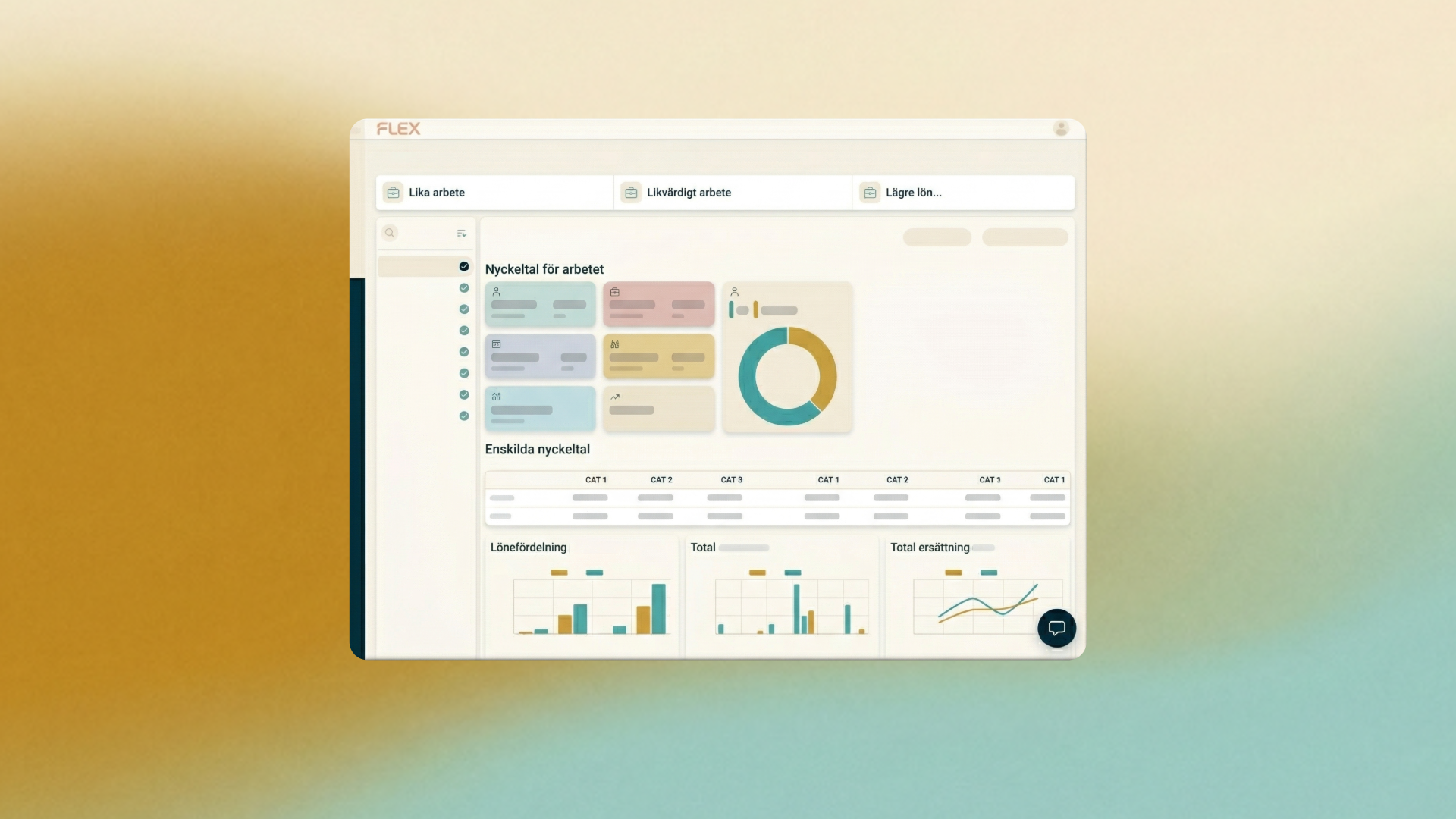
As you work through your pay equity analysis and identify employees who need a pay adjustment, these are automatically collected in an action list displayed directly on the overview page. You don't need to track this manually or in a separate document – the list is always available and continuously updated.
Once the pay equity analysis is complete, you also get a consolidated overview in Pay Equity Compass of all actions that remain outstanding – whether they come from the most recent review or a previous one. That means you don't have to navigate into each individual review to check what is left to do. Everything is in one place, and you can mark actions as completed directly from there.
This makes it easy to ensure that identified unjustified pay differences are actually addressed, and that nothing is forgotten along the way.
The documentation - collected and ready
When the pay equity analysis is complete, you can work through the sections that together form the documentation required under the Discrimination Act. The document covers the entire process – from a description of the method and working group, to analysis of pay practices, compilation of equal and equivalent work, identification of unjustified pay differences, and agreed actions and an action plan. You work through the sections in the system, and the documentation is then generated and ready to use.
More documentation is on the way
This is the first step. In the long term, Pay equity compass will also support the production of a presentation adapted for management review and a basis for collaboration with the trade union. The goal is to have everything you need in one place - from analysis to communication.
What does this mean for you?
If you work with pay equity in Flex HRM, you will have more complete support throughout the process. The action list helps you keep track of the follow-up, and the documentation function saves time that would otherwise be spent on manual work in separate files. The result is a pay equity analysis that is not only completed - but also properly documented and easier to follow up.